 salehunter.net
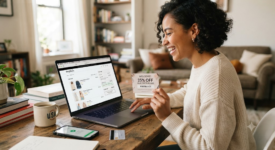
Every savvy online shopper knows the familiar routine: you navigate to a new online retailer, scroll for a few seconds, and suddenly, the screen dims. A perfectly designed pop-up appears, offering you a seemingly irresistible deal just for handing over your email address or phone number. This is the first purchase coupon, a foundational element of modern e-commerce and a highly effective tool for both consumers looking to save money and retailers looking to acquire loyal buyers. While it might seem like a simple trade-off—your inbox space for a quick discount—there is an intricate strategy behind these welcome offers.
For the average consumer, a first-time discount code is a nice bonus. For the strategic shopper, it is an opportunity to significantly reduce the cost of high-ticket items, stack rewards, and test out premium brands without paying the standard retail markup. Understanding how these promotional codes work, where to uncover the most lucrative offers, and how to navigate the inevitable fine print can transform your everyday online shopping habits into a highly optimized savings strategy.
The Psychology and Economics of the Welcome Discount

To truly take advantage of a first purchase coupon, it helps to understand why retailers are so eager to give them away. Giving up 15% or 20% of a sale right out of the gate eats directly into a company’s profit margins. However, in the highly competitive landscape of digital retail, the hardest barrier to break is the initial trust barrier. Consumers are naturally hesitant to hand over their credit card information to a brand they have never experienced before.
This is where the concept of Customer Acquisition Cost (CAC) comes into play. Brands spend massive amounts of money on social media advertisements, search engine marketing, and influencer partnerships just to get you to click a link. If you visit their website and leave without buying anything, that marketing spend is completely wasted. By offering a welcome discount, the retailer is essentially shifting a portion of their advertising budget directly into your pocket. The goal is simple: secure the first sale, prove the quality of their product, and turn you into a repeat customer whose lifetime value (LTV) far exceeds the small loss they took on your initial order.
Furthermore, capturing your email address or phone number allows the brand to market to you directly in the future without having to pay a social media platform for the privilege. This direct line of communication is incredibly valuable to businesses, which is exactly why they are willing to compensate you for it via a promo code.
Decoding the Most Common Types of First-Time Shopper Promos
Not all welcome offers are created equal. Depending on the brand’s profit margins, the type of product they sell, and their target demographic, you will typically encounter one of four distinct types of first-time buyer discounts.
- The Percentage Discount: This is the most ubiquitous offer on the internet. Typically ranging from 10% to 20%, it scales directly with your purchase. A 15% off coupon might only save you $3 on a t-shirt, but it can save you $150 on a new mattress.
- The Fixed Dollar Amount: Often formatted as “$10 off your first order of $50 or more,” this type of coupon protects the retailer from losing money on very small orders while providing a highly tangible, easily understood benefit to the shopper.
- Free Shipping: Shipping costs are the number one cause of cart abandonment across the e-commerce sector. Offering free shipping on a first purchase removes a massive psychological hurdle for the buyer, even if the actual monetary value of the perk is relatively low.
- The Free Gift with Purchase: High-end beauty brands, supplement companies, and luxury retailers often prefer this method. Instead of devaluing their core products with a discount, they maintain their premium pricing but incentivize the purchase by including a high-quality sample or complementary accessory.
Strategic Methods for Uncovering the Best Welcome Offers
While the standard website pop-up is the most straightforward way to secure a first purchase coupon, it is not always the only—or the best—method available. Savvy shoppers utilize a variety of tactics to ensure they are getting the absolute maximum discount possible before they head to the checkout page.
Prioritize SMS Over Email
Over the last few years, email marketing has become heavily saturated. In response, retailers have pivoted aggressively toward SMS (text message) marketing. Because text messages boast a significantly higher open rate than emails, brands are often willing to pay more for your phone number. It is incredibly common to visit a website and see an offer for 10% off if you subscribe to their email newsletter, but a bump up to 15% or even 20% off if you also agree to receive text messages. If you are making a substantial purchase, opting into the SMS program is almost always the smarter financial move.
The Abandoned Cart Strategy
Patience is a virtue, especially in e-commerce. If you want to squeeze a slightly better first-purchase offer out of a retailer, try utilizing the abandoned cart trick. Simply create an account, add the items you want to your shopping cart, proceed to the first step of checkout so the site registers your email, and then close the browser window. Wait twenty-four to forty-eight hours. Many retailers use automated software that detects when a potential first-time buyer abandons their cart. To entice you back, they will often send an automated email with a “sweetened” first purchase coupon, sometimes upgrading a standard 10% offer to a 20% code.
Scour the Website Footer
If you use an ad-blocker or a strict privacy browser, pop-up forms might be blocked automatically, causing you to miss the welcome offer entirely. If a pop-up fails to trigger, scroll to the absolute bottom of the website. In the footer, usually nestled near the privacy policy or the customer service links, you will almost always find a small text box inviting you to “Subscribe and Save.” Entering your information here will trigger the welcome email containing your promo code.
Leverage Influencer Partnerships
Before you use a generic 10% off welcome code from a brand’s homepage, check social media platforms like YouTube, Instagram, or TikTok. Brands frequently sponsor content creators and provide them with custom promo codes for their audiences. These influencer codes often act exactly like first purchase coupons, but they frequently offer superior terms—such as a higher percentage off or the inclusion of free shipping without a minimum spend requirement. Searching the brand name alongside the word “discount code” or “review” on these platforms takes mere seconds and can yield impressive results.
Pro Tips for Maximizing Your Savings
Securing the coupon is only half the battle; knowing exactly how to deploy it requires a bit of tactical planning. To get the most mileage out of your welcome discount, consider the following strategies.
First, consider the size of your basket. Because you only get to use a first purchase coupon once per account, it is generally a poor financial decision to waste it on a small, insignificant purchase. If you are testing a brand out and only want to buy one small item to check the quality, it might be worth saving the code. Wait until you have a larger haul, or combine your order with friends and family members to maximize the dollar value of the percentage discount.
Second, investigate coupon stacking. While the vast majority of retailers explicitly state that welcome codes cannot be combined with other promotional offers, there are always exceptions to the rule. Some stores allow you to apply a first-time buyer code to clearance items or site-wide sales. Time your initial purchase to align with major retail holidays—like Black Friday, Cyber Monday, or Labor Day. If a site is offering an automatic 30% markdown on all inventory, and their checkout system allows you to layer your 15% welcome code on top of it, your final savings will be massive.
Finally, protect your digital ecosystem. If you are a prolific online shopper, signing up for every single welcome offer will inevitably lead to a chaotic, spam-filled inbox. The most highly organized shoppers utilize a dedicated “shopping only” email address. This keeps your personal and professional inboxes entirely free of promotional clutter while creating a centralized hub where all your discount codes, order confirmations, and tracking numbers live peacefully together.
Navigating Restrictions and the Fine Print
The allure of a massive discount can quickly turn into frustration at the checkout screen if you do not pay attention to the terms and conditions attached to your promo code. Retailers protect their bottom line by implementing a series of guardrails, and understanding these restrictions will save you a headache later.
Brand and Category Exclusions
This is particularly prevalent at massive department stores or multi-brand retailers like Sephora, Nordstrom, or Ulta. While they might proudly advertise “15% off your first purchase,” the fine print often excludes premium, high-demand, or price-locked brands. Electronics from companies like Apple or Dyson, prestige fragrance houses, and specific high-end fashion labels are notorious for prohibiting retailers from discounting their merchandise. Always check the exclusion list before building a shopping cart full of premium items.
Minimum Spend Thresholds
To ensure they do not lose money on shipping and processing, many companies tie their welcome codes to a minimum order value. A “$20 off your first purchase” coupon sounds incredible until you read the fine print and discover it only applies to orders over $150. Be wary of the psychological trap of adding items you do not actually want or need to your cart just to hit the minimum threshold. If you spend an extra $40 just to save $20, the retailer has won the transaction.
Expiration Dates and Artificial Urgency
When you receive your welcome coupon in your inbox, it will frequently come paired with a glaring countdown timer or a note stating, “Hurry, this code expires in 48 hours!” In some cases, this is a hard rule programmed into their e-commerce platform. In many other cases, however, it is simply a psychological tactic known as artificial urgency, designed to push you into making an impulsive purchasing decision. While you should not wait months to use a code, do not let an arbitrary countdown timer pressure you into buying something before you are financially ready.
The Evolution of the Welcome Offer
As consumer behavior evolves, so too do the tactics employed by online retailers. The traditional “enter your email for a code” model is slowly being augmented by more interactive and gamified experiences. Today, many sites utilize “spin-to-win” digital wheels, where shoppers enter their email for a chance to win varying levels of discounts, ranging from 5% up to a massive 50% or even a completely free order. This capitalizes on the human affinity for chance and lottery mechanics, vastly increasing the rate at which visitors hand over their contact information.
Additionally, we are seeing a rise in personalized first-purchase discounts. Instead of a blanket percentage off, brands are guiding new users through interactive quizzes to determine their specific needs—whether that is finding the perfect skincare routine or the right type of running shoe. At the end of the quiz, the shopper is rewarded with a first purchase coupon tailored specifically to the recommended products. This not only provides a discount but also adds immense value through personalized curation.
Conclusion: Becoming a Smarter Consumer
In the expansive world of online shopping, the first purchase coupon remains one of the most reliable and impactful tools at a consumer’s disposal. It is far more than just a quick promotional gimmick; it is a strategic entry point into a brand’s ecosystem. By treating your contact information as a valuable currency, utilizing strategies like cart abandonment, opting for SMS rewards, and meticulously navigating the fine print, you can elevate your shopping experience. You shift the dynamic of power, ensuring that when you finally do click the checkout button, you are doing so on your own terms, with the best possible price locked in. Happy savings, and may your next first purchase be your most heavily discounted one yet.


