
 salehunter.net
 So, you’re on the hunt for a Dodge Dually 3500 for sale. Let’s be honest, you’re not just looking for a truck; you’re looking for a statement. You’re in the market for a titan of the highway, a rig that doesn’t just haul a payload but commands respect. A one-ton dually is the undisputed king of capability, and the Ram 3500, with its deep roots in the Dodge legacy, sits firmly on the throne.
Whether you’re a seasoned hauler needing to upgrade your fleet, a full-time RVer about to pull a 40-foot fifth-wheel across the country, or a contractor who refuses to make two trips, this guide is for you. We’re going to dive deep into the world of the Ram 3500 dually, breaking down generations, engines, trim levels, and most importantly, what you need to look for to ensure you’re bringing home a champion, not a headache.
First Things First: Is It a Dodge or a Ram?
You’ve probably typed “Dodge Dually 3500” into your search bar, and that’s perfectly normal. For decades, the name “Dodge Ram” was synonymous with toughness. However, it’s important to know that in 2010, Ram officially split from Dodge to become its own standalone truck brand under the Fiat Chrysler Automobiles (now Stellantis) umbrella.
So, what does this mean for you as a buyer?
- Trucks from 2010 and earlier are technically “Dodge Ram” 3500s.
- Trucks from 2011 to the present day are “Ram” 3500s.
Don’t get too hung up on the semantics; most people, and even some dealerships, still use the terms interchangeably. The key takeaway is understanding which generation you’re looking at, as this has a massive impact on technology, capability, and price.
Why Go Dually? The Unmistakable Advantage of Six Wheels
Before we go further, let’s affirm your decision. Why a dually over a single rear wheel (SRW) 3500? It boils down to three things: stability, payload, and towing capacity.
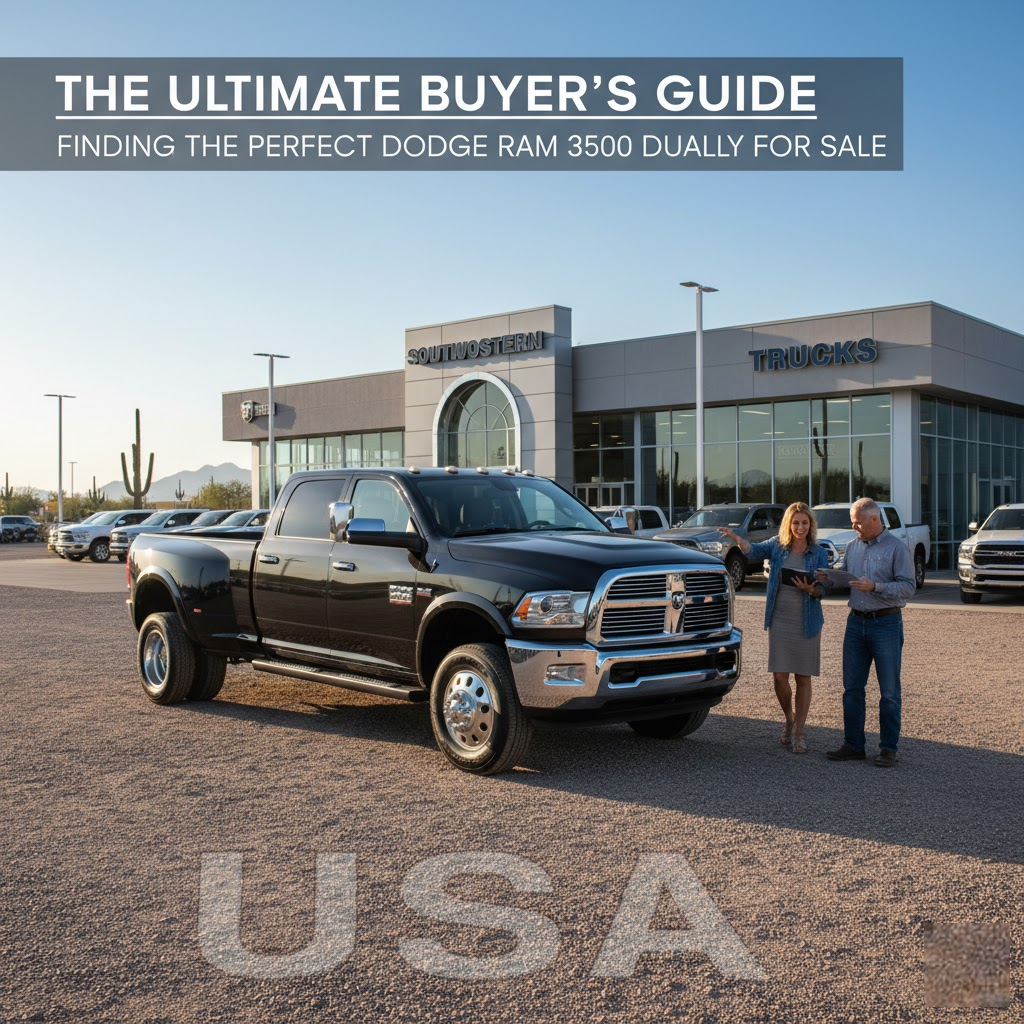
Think of it like this: a single rear wheel truck has two contact patches in the back. A dually has four. This wider, more substantial footprint provides an unparalleled level of stability, especially when towing a heavy, high-profile trailer like a fifth wheel or a large gooseneck. Crosswinds that might make an SRW driver pucker up are handled with much more confidence in a dually. This stability directly translates into higher Gross Vehicle Weight Ratings (GVWR) and tow ratings. If you’re pulling anything over 18,000 pounds, a dually isn’t just a good idea—it’s often a necessity for safety and peace of mind.
A Tale of Two Engines: Cummins Diesel vs. HEMI Gas
At the heart of every Ram 3500 is a powerhouse engine. Your primary choice will be between the legendary Cummins diesel and the potent HEMI V8 gasoline engine. This is arguably the most important decision you’ll make.
The 6.7L Cummins I-6 Turbo Diesel
This is the engine that built the brand’s reputation. The Cummins inline-six is famous for its mountain-moving torque and commercial-grade longevity. If heavy towing is your primary mission, this is your engine.
- Unmatched Torque: Modern High Output (HO) versions of this engine produce well over 1,000 lb-ft of torque, allowing you to pull staggering loads without breaking a sweat.
- Engine Braking: The integrated exhaust brake is a game-changer, especially when descending steep grades with a heavy trailer. It saves your service brakes and provides incredible control.
- Fuel Efficiency (Loaded): While not a fuel-sipper by any means, a diesel will typically get better mileage than a gas engine when under heavy load.
- Longevity: It’s not uncommon to see these engines push past 300,000, 400,000, or even 500,000 miles with proper maintenance.
The Caveat: The purchase price is higher, maintenance is more expensive (oil changes require gallons, not quarts), and modern emissions systems (DPF, DEF) can be costly to repair if they fail.
The 6.4L HEMI V8
Don’t dismiss the gasser. The 6.4L HEMI (often called the “BGE” or Big Gas Engine) is a fantastic motor with its own set of advantages.
- Lower Upfront Cost: A gas-powered 3500 will typically be thousands of dollars cheaper than its diesel counterpart on the used market.
- Cheaper Maintenance: Simpler engine, no complex emissions fluids, and lower-cost oil changes make it easier on the wallet for routine service.
- Higher Payload (Sometimes): Because the gas engine is significantly lighter than the Cummins, a similarly equipped HEMI dually might actually have a slightly higher payload capacity.
- Quieter Operation: It lacks the signature diesel clatter, providing a more car-like experience.
The Caveat: It’s thirstier, especially when towing, and its towing capacity, while still immense, is lower than the Cummins. It’s best suited for those who haul heavy but perhaps less frequently, or for applications like snow plowing where the lighter front end is an advantage.
Decoding the Generations: What to Look For
Knowing the key differences between model years will help you narrow your search for the perfect Ram 3500 dually for sale.
Fourth Generation (2010-2018)
This generation represents a sweet spot for many buyers, offering modern capability without the price tag of a brand-new truck. They saw significant upgrades in frame strength, towing tech, and interior comfort over the previous third-gen models.
What to Look For:
- Transmissions: This is crucial. Diesel models came with either the Chrysler-built 68RFE 6-speed automatic or the much beefier Aisin AS69RC 6-speed automatic. The Aisin was paired with the High Output Cummins versions and is widely considered the more robust choice for very heavy, consistent towing. If you’re looking at a serious tow rig, holding out for an Aisin-equipped truck is a wise move.
- Interior Refresh (2013+): In 2013, the interior got a major overhaul, introducing the Uconnect infotainment system and vastly improved materials. A 2013-2018 model feels significantly more modern inside than a 2010-2012.
- Potential Issues: Early 4th-gen trucks can have issues with the emissions systems (EGR coolers, DPF sensors). The front-end steering components (ball joints, tie rods) are known wear items, especially on leveled or lifted trucks. Listen for clunks and check for steering wander on your test drive.
Fifth Generation (2019-Present)
The fifth generation represents a quantum leap forward in terms of technology, luxury, and refinement. Ram went all-in on making their heavy-duty trucks not just capable tools, but also comfortable and luxurious daily drivers.
What to Look For:
- The 1,000 lb-ft Milestone: The 2019 model year was the first to offer the High Output Cummins engine breaking the four-figure torque barrier, paired exclusively with an updated Aisin transmission.
- Luxury Interiors: This is where the 5th gen truly shines. The availability of the massive 12-inch vertical touchscreen, premium Harman Kardon audio systems, and ridiculously opulent materials in the Laramie Longhorn and Limited trims set a new standard for heavy-duty trucks.
- Advanced Technology: Look for features like the 360-degree camera system (a lifesaver when maneuvering a dually), adaptive cruise control, and blind-spot monitoring that even accounts for your trailer’s length.
- Potential Issues: Being newer, widespread systemic issues are less documented. However, infotainment system glitches can occur, so be sure to test all the functions on the screen. As with any modern vehicle, complex electronics can be expensive to diagnose and fix out of warranty.
Navigating the Trim Levels
Finding a dually for sale means sorting through various trim packages. Here’s a quick rundown from work-ready to weekend-luxury.
- Tradesman: The quintessential work truck. Vinyl floors, cloth or vinyl seats, and basic amenities. Perfect for the job site, but might be a bit spartan for a long road trip.
- Big Horn (or Lone Star in Texas): The volume seller and the sweet spot for many. It adds features like carpet, cloth seats (with available upgrades), chrome accents, and more available options. It’s a comfortable, daily-drivable truck without the luxury price tag.
- Laramie: Your entry into luxury. This trim adds leather-trimmed seats, heated and ventilated front seats, an upgraded sound system, and more chrome. It’s a popular choice for RVers who want comfort on long hauls.
- Laramie Longhorn: A unique, Western-themed luxury package. It features premium filigree-stitched leather, real barn-wood accents, and unique badging. It’s unabashedly opulent.
- Limited: The top dog. This is the modern luxury trim, trading the Western theme for a more sophisticated, monochromatic look with premium materials, all the available tech as standard, and an air of quiet capability.
Your Pre-Purchase Inspection Checklist
You’ve found a promising candidate. Now it’s time to put on your detective hat. Never, ever buy a used heavy-duty truck without a thorough inspection. If you’re not mechanically inclined, pay a trusted independent mechanic (preferably one who knows diesel trucks) to perform a pre-purchase inspection (PPI).
Mechanical:
- Cold Start: Watch the exhaust when the engine is first started cold. A little puff of white or black is normal, but continuous blue (oil) or white (coolant) smoke is a major red flag.
- Blow-by: With the engine running, carefully open the oil filler cap. A little bit of vapor (“puffing”) is normal on a diesel. Excessive, forceful smoke (“blow-by”) can indicate worn piston rings—a very expensive repair.
- Check All Fluids: Engine oil should be dark but not sludgy. Transmission fluid should be red and not smell burnt.
- 4×4 System: Engage the four-wheel drive (4-Hi and 4-Lo) to ensure it works correctly.
- Look Underneath: Check the frame for excessive rust or any signs of cracking or shoddy weld repairs. Look for leaks from the engine, transmission, differentials, and transfer case. Check the condition of the driveshafts and U-joints.
Exterior and Body:
- Rust: Check the classic Ram rust spots: above the rear wheels on the bed, the bottom of the doors, and the cab corners. Don’t forget to check the bed itself, especially if it had a drop-in bedliner trapping moisture.
- Dually Fenders: These big hips can take a beating. Check for cracks, scrapes, or signs of poor paint repair.
- Tires: You have six of them to inspect. Uneven wear can point to alignment or suspension problems. Mismatched brands or tread depths can strain the drivetrain. Remember, a full set of quality tires for a dually can easily cost $1,500-$2,000.
Interior and Test Drive:
- Electronics: Test every button, switch, and knob. Pay special attention to the infotainment screen, power seats, and window controls.
- The “Death Wobble”: On your test drive, find a road with some bumps. A violent, uncontrollable shaking of the front end after hitting a bump is known as “death wobble” and indicates worn-out steering or suspension components.
- Listen and Feel: Listen for any unusual clunks, whines, or grinding noises. Feel for vibrations through the steering wheel or floor. Test the brakes for any pulsing or pulling.
Your Journey to a Six-Wheeled Legend
Finding the right Dodge Ram 3500 dually for sale is a journey, but it’s one that ends with owning one of the most capable and commanding vehicles on the road. By understanding the key differences in generations, powertrains, and trim levels, and by performing a diligent inspection, you can confidently navigate the market.
This isn’t just about buying a truck. It’s about buying freedom—the freedom to tow that massive boat, haul that dream RV, or confidently manage the toughest jobs. Take your time, do your research, and get ready to take command of the road.