

 salehunter.net
 Taking control of your cardiovascular health is one of the most vital steps you can take for your overall well-being. With nearly half of all adults in the United States living with high blood pressure—often dubbed the “silent killer” because it typically has no symptoms—monitoring your numbers at home is no longer a luxury; it is a medical necessity. If you have been waiting for the right moment to invest in your health, finding a high-quality blood pressure monitor sale is the perfect opportunity. However, navigating the crowded marketplace of medical devices can be overwhelming. This comprehensive guide will walk you through exactly what to look for, how to choose the right device, and how to maximize your savings during major sales events.
Why You Need a Home Blood Pressure Monitor Now More Than Ever
Before diving into the mechanics of shopping a blood pressure monitor sale, it is crucial to understand why having one in your medicine cabinet is so important. Historically, patients relied solely on their annual physicals or occasional doctor visits to get a blood pressure reading. Today, the medical community, including the American Heart Association (AHA), strongly advocates for regular home monitoring.
Combating White Coat Syndrome
Have you ever noticed your heart racing a bit as soon as a nurse wraps the cuff around your arm? You are not alone. “White coat hypertension” occurs when a patient’s blood pressure spikes specifically in a medical setting due to anxiety or stress, leading to artificially high readings. Conversely, some individuals experience “masked hypertension,” where their blood pressure is normal at the doctor’s office but elevated in their daily lives. A home blood pressure monitor provides a more accurate, holistic picture of your cardiovascular health over time, allowing your doctor to make informed decisions about your treatment plan.
Types of Blood Pressure Monitors: What to Look For
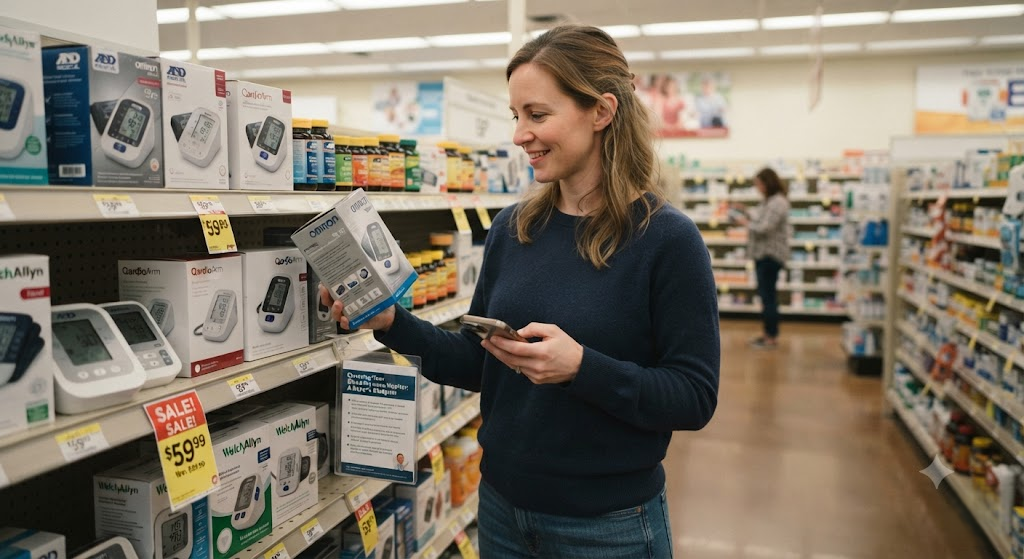
When you stumble upon a massive blood pressure monitor sale online or in-store, you will likely see dozens of models ranging from twenty dollars to over a hundred. Knowing the difference between the primary types of monitors will save you from buyer’s remorse.
Upper Arm Monitors: The Gold Standard
The vast majority of cardiologists and healthcare professionals recommend digital upper arm blood pressure monitors. These devices feature a cuff that wraps around the bicep, placing the sensor directly at heart level. Because of their positioning, they naturally provide the most accurate and consistent readings. When browsing a blood pressure monitor sale, an upper arm model should be your primary target, especially if you have been officially diagnosed with hypertension.
Wrist Monitors: Convenience on the Go
Wrist monitors are incredibly popular due to their compact size, portability, and ease of use. They are particularly beneficial for individuals with very large upper arms who struggle to find a standard cuff that fits comfortably, or for people with physical limitations that make wrapping a bicep cuff difficult. However, wrist monitors are highly sensitive to body position. To get an accurate reading, your wrist must be positioned perfectly at heart level. If it is too low or too high, the numbers will be skewed. They are excellent for traveling, but if precision is your ultimate goal, prioritize an upper arm model.
Key Features to Prioritize When Shopping the Sales
Not all blood pressure monitors are created equal. A deep discount on a poorly manufactured device is not a bargain; it is a health risk. When evaluating a blood pressure monitor sale, keep your eyes peeled for the following essential features.
FDA Clearance and Clinical Validation
Never buy a blood pressure monitor that has not been cleared by the FDA. Furthermore, look for devices that have been clinically validated. In the United States, you can check the US Blood Pressure Validated Device Listing (VDL). If a monitor is on this registry, it means it has passed rigorous independent testing for clinical accuracy. Do not let flashy marketing terms distract you; if it is not clinically validated, skip it, no matter how cheap it is.
The Importance of Cuff Size
One of the most common mistakes people make during a blood pressure monitor sale is ignoring the cuff size. If a cuff is too small, your reading will be artificially high. If it is too large, your reading will be artificially low. Before you hit the checkout button, measure the circumference of your upper arm midway between your shoulder and elbow. Most standard cuffs fit arms from 9 to 17 inches. If your arm is larger, look for a “wide-range” or “extra-large” cuff model.
Memory Storage and Multi-User Capability
If you share a household with a spouse or partner who also needs to track their heart health, look for a device with multi-user support. The best monitors on sale will offer dual-user modes, allowing two different people to store their readings separately without mixing up the data. Additionally, pay attention to the memory capacity. A good device should store at least 60 to 100 past readings per user, complete with date and time stamps.
Irregular Heartbeat Detection (AFib)
Atrial fibrillation (AFib) is a common type of irregular heartbeat that significantly increases the risk of stroke. Many modern, high-quality digital monitors feature built-in irregular heartbeat detectors. If the device senses an anomaly in your pulse rhythm during a reading, it will display a warning symbol. Finding a monitor with this feature at a discounted price during a sale is a massive win for proactive health management.
Bluetooth Connectivity and Smart Apps
We live in a connected world, and home health tech has kept pace. Smart blood pressure monitors use Bluetooth to sync your readings directly to a smartphone app (such as Apple Health, Google Fit, or proprietary brand apps). This feature eliminates the need for a pen-and-paper logbook, automatically generates easy-to-read graphs, and allows you to email your complete blood pressure history directly to your doctor. While smart monitors generally carry a higher retail price, they are frequently the star attractions during major online sales events.
When and Where to Find the Best Blood Pressure Monitor Sale
Timing your purchase can save you a significant amount of money. Retailers and medical supply companies generally follow predictable sales cycles.
- American Heart Month (February): February is arguably the best time of the year to find a blood pressure monitor sale. Retailers partner with health organizations to promote cardiovascular awareness, resulting in steep discounts on top-tier medical devices.
- Amazon Prime Day and Black Friday: Like most consumer electronics, digital health devices see massive price cuts during mid-summer Prime Day events and late-November Black Friday/Cyber Monday sales. Top brands often slash prices by 20% to 40% on these specific days.
- End-of-Year FSA/HSA Spending: In the USA, many Flexible Spending Accounts (FSA) and Health Savings Accounts (HSA) operate on a “use it or lose it” basis by December 31st. Because blood pressure monitors are FSA/HSA eligible items, pharmacies and medical suppliers frequently run December sales to capture this end-of-year spending rush.
Lesser-Known Facts About Blood Pressure Measurement
Even if you secure the best device on the market during a fantastic blood pressure monitor sale, the machine is only as good as the technique you use to operate it. Human error is the leading cause of inaccurate home readings. Here are some fascinating, scientifically-backed facts and tips about taking your blood pressure that most people do not know:
The Full Bladder Effect
Did you know that having a full bladder can increase your blood pressure reading by 10 to 15 points? The physiological stress placed on your body by holding in urine triggers a sympathetic nervous system response, which spikes your blood pressure. Always use the restroom before sitting down with your monitor.
The Danger of Crossed Legs
Simply crossing your legs at the knees while taking a reading can increase your systolic blood pressure (the top number) by 2 to 8 points. Crossing your legs restricts blood flow and forces your heart to pump harder. Always sit in a supportive chair with your back straight and both feet flat on the floor.
The “Talking” Spike
Having a casual conversation, watching a stressful news program, or even actively listening to someone else talk can raise your numbers. Medical professionals advise sitting in complete silence in a comfortably warm room for at least five minutes before pressing the start button on your machine.
The Caffeine and Nicotine Window
Caffeine and nicotine are powerful stimulants that cause blood vessels to constrict. Consuming coffee, energy drinks, or using tobacco products within 30 minutes of taking your blood pressure will almost guarantee an artificially elevated reading. Plan your monitoring schedule around your morning cup of coffee, not right after it.
Making the Most of Your New Device: Best Practices
Once you have taken advantage of a great blood pressure monitor sale and your new device arrives, establishing a consistent routine is key. Blood pressure naturally fluctuates throughout the day, following your circadian rhythm. It is typically lowest while you are sleeping, rises in the morning, and peaks in the late afternoon.
To get the most accurate baseline for your doctor, you should take two readings in the morning and two in the evening. Wait exactly one minute between the first and second readings to allow your blood vessels to recover from the cuff’s compression. Average the two numbers together. By doing this daily for a week, you provide your healthcare provider with a goldmine of data that a single office visit could never replicate.
Additionally, remember to bring your new home monitor to your next doctor’s appointment. The nurse can check your device against their clinical-grade sphygmomanometer to ensure your home unit is perfectly calibrated. This simple step provides immense peace of mind.
Final Thoughts on Investing in Your Health
Waiting for a blood pressure monitor sale is a financially savvy move, but the true value of this device goes far beyond the dollars saved at checkout. It is an investment in longevity, peace of mind, and proactive healthcare. By choosing a clinically validated, properly sized, and feature-rich model—and by committing to proper measurement techniques—you empower yourself with the data needed to live a longer, healthier life. Keep a close eye on seasonal discounts, utilize your FSA/HSA funds, and do not hesitate to make the purchase when the right deal appears. Your heart will thank you for it.