
 salehunter.net
 For many American homeowners, the garage has evolved from a simple storage unit for vehicles into a multifunctional space. It serves as a home gym, a workshop, a laundry auxiliary, or even a showroom for a car collection. However, the one element that often undermines the aesthetic and functional appeal of these spaces is the cold, dusty, and prone-to-cracking concrete floor. Investing in high-quality garage flooring can change everything, but the cost can often be prohibitive. This is where the hunt for garage floor tiles interlocking discount options becomes a strategic mission for the savvy renovator.
Upgrading your garage doesn’t mean you have to settle for cheap, flimsy materials. By understanding the market, knowing which materials provide the best longevity, and mastering the art of sourcing, you can secure professional-grade interlocking tiles at a significant discount. This guide will walk you through everything you need to know to transform your space without blowing your budget.
Why Interlocking Tiles? The Practical Choice for DIYers

Before diving into how to find the best deals, it is essential to understand why interlocking floor tiles are the gold standard for garage renovations. Unlike epoxy coatings, which require extensive surface preparation, grinding, and hazardous chemical handling, interlocking tiles are a “floating floor” system.
- Ease of Installation: If you can snap a puzzle piece together, you can install these tiles. No adhesives or specialized machinery are required.
- Durability: High-density polypropylene or PVC tiles are designed to withstand vehicle weight, heavy tool chests, and intense foot traffic.
- Moisture Management: Most interlocking systems feature a channeled underside that allows air to circulate, preventing the buildup of mold and mildew—a common problem with solid mats.
- Customization: You can create custom patterns, checkerboards, or solid borders. Because they are modular, if one tile becomes stained or damaged by a chemical spill, you simply pop it out and replace that single tile rather than redoing the entire floor.
Decoding the “Discount” Market: How to Save Without Sacrificing Quality
When searching for a garage floor tiles interlocking discount, it is crucial to distinguish between “cheap” and “value.” A discount should apply to the price, not the performance. Here is how to find legitimate deals.
1. Bulk Buying and Shipping Logistics
Shipping is the hidden cost of garage flooring. Tiles are heavy. Many retailers offer a lower price per tile if you buy in bulk, but they may charge exorbitant shipping fees. Look for manufacturers that offer “free freight” on orders over a certain square footage. Often, buying your entire garage’s worth of flooring at once triggers a wholesale discount that wouldn’t be available if you bought in smaller, staggered batches.
2. The “Factory Seconds” Secret
Many top-tier flooring manufacturers occasionally have “factory seconds.” These are tiles that may have slight color variations or minor cosmetic blemishes—imperfections that are often invisible once installed in a dimly lit garage. These are functionally perfect but cannot be sold at full retail price. Contact manufacturers directly to ask if they have a “clearance” or “seconds” list. You can often save 30% to 50% on these items.
3. Off-Season Purchasing
Home improvement follows a seasonal cycle. In the United States, demand for garage flooring spikes in the spring when the weather warms up and homeowners start their “spring cleaning” and renovation projects. If you shop in the late fall or early winter, you are more likely to find retailers looking to clear out existing inventory to make room for new stock. This is the prime window for clearance sales.
4. End-of-Line Colors
A specific color of tile might be discontinued by a manufacturer. While it might be a beautiful shade of blue or a specific texture, it is no longer part of the current catalog. Companies want to move this inventory fast. If you are not committed to a specific color scheme, ask for a discount on discontinued stock. This is one of the most effective ways to get premium tiles at a bargain.
Choosing the Right Material: Rigid vs. Flexible
When you see a discount, you need to know exactly what you are buying. Not all interlocking tiles are the same. Understanding the material is vital for the long-term health of your garage floor.
Polypropylene (Rigid Tiles)
These are the hard plastic tiles often seen in showrooms. They are incredibly durable and resist oil, gasoline, and most household chemicals. Because they are rigid, they are excellent for load distribution. If you are parking a heavy truck or SUV, these are your best bet. They typically feature a “peg-and-loop” or “snap-lock” system.
PVC (Flexible/Soft Tiles)
PVC tiles are more rubber-like. They provide better anti-fatigue properties, making them perfect for garages that double as hobby spaces or home gyms. They are also quieter underfoot. However, they are generally more expensive than rigid polypropylene. If you find a “discount” on these, verify the thickness—thinner PVC tiles may stretch or warp over time under the weight of a hot car tire.
Planning Your Installation: Avoiding Waste
The biggest mistake DIYers make is failing to measure accurately, leading to excessive waste or, worse, running out of tiles mid-project and having to pay for expedited shipping. When shopping for discount tiles, always add 5-10% to your square footage calculation.
Steps for an Accurate Measurement:
- Measure the length and width of the garage in feet.
- Multiply the two numbers to get your square footage.
- Account for the “perimeter gap.” You should leave about 1/4 to 1/2 inch of space between the tiles and the garage wall to allow for expansion and contraction due to temperature changes.
- If your garage has pillars or non-square corners, map them out on graph paper before ordering.
Installation Best Practices for the DIYer
Even if you saved money buying the tiles, you can save even more by installing them yourself. Here is the professional workflow for a perfect result:
1. Surface Preparation
While interlocking tiles can cover minor imperfections, they are not a cure-all for a crumbling foundation. Sweep the floor thoroughly. If there are massive cracks or uneven spots, use a quick-setting concrete filler. Ensure the floor is completely dry. Moisture trapped under the tiles can lead to a musty smell over time.
2. The Underlayment Question
For most residential garages, a dedicated underlayment is not strictly required. However, if your garage is prone to cold or damp, a thin, mold-resistant underlayment can act as a thermal barrier and sound dampener. Check the manufacturer’s recommendation to ensure you don’t void your warranty.
3. The “Snap” Technique
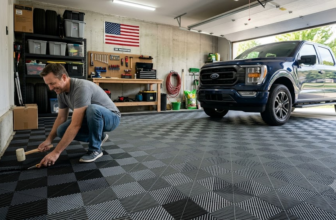
Start from the center of the garage or the most visible wall (usually the door threshold). Use a rubber mallet to snap the tiles together. Avoid hitting the tiles directly; place a block of wood or a scrap piece of tile over the joint to protect the locking mechanism. When you reach the walls, use a jigsaw or a table saw to trim the tiles to fit.
Maintenance: Keeping Your Discount Floor Looking Premium
The beauty of a high-quality interlocking floor is that it requires very little maintenance. Because of the open-air design of many polypropylene tiles, dirt and dust simply fall through the channels to the concrete below. Once or twice a year, you can simply un-snap a section and vacuum the debris underneath, or use a hose to spray the floor clean (provided your garage has proper drainage).
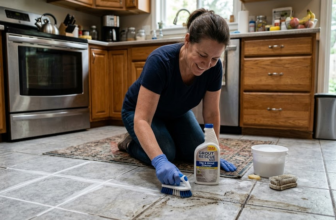
For spot cleaning, a simple mix of dish soap and warm water works wonders. Avoid harsh solvent-based cleaners if you have purchased softer PVC tiles, as these can degrade the material over time. Rigid polypropylene is generally impervious to standard household cleaners.
Conclusion: The Value of a Transformed Garage
Upgrading your garage floor is more than just a cosmetic improvement—it is an investment in the utility and longevity of your home. By being a savvy shopper and specifically targeting garage floor tiles interlocking discount opportunities through bulk purchasing, off-season sales, and looking for discontinued lines, you can achieve a high-end look at a fraction of the cost.
Remember, the goal is to balance the initial investment with the lifespan of the material. A well-installed floor using quality interlocking tiles can last for decades, providing a slip-resistant, professional-looking surface that turns your garage into the envy of the neighborhood. Don’t let the daunting cost of professional installation or premium retail pricing stop you; with a bit of research and sweat equity, a showroom-quality garage is well within reach.