
 salehunter.net
 There is a distinct rhythm to life in Florida. It is set by the swaying of palms, the ebb and flow of the tide, and, perhaps most prominently, the hum of diesel engines cruising down I-95. Florida isn’t just a destination for vacationers; it is arguably the global epicenter of the recreational vehicle lifestyle. For anyone typing “motor homes for sale in Florida” into a search bar, you haven’t just stumbled upon a shopping query—you have opened the door to one of the most vibrant, high-volume, and complex vehicle markets in the United States.
Buying a motorhome here is different than buying one in Ohio or Oregon. The sheer volume of inventory is staggering, driven by a unique ecosystem of “Snowbirds” (seasonal residents), full-timers, and massive dealership networks that rival small cities in size. Whether you are looking for a million-dollar Class A diesel pusher to park in a luxury resort in the Keys, or a nimble Class B van to stealth camp near the springs, Florida is the place to look. But the Sunshine State brings its own set of rules, risks, and rewards. This isn’t just about finding a rig; it’s about understanding the culture of the Florida RV market to walk away with the best deal possible.
Why Florida is the RV Capital of the World
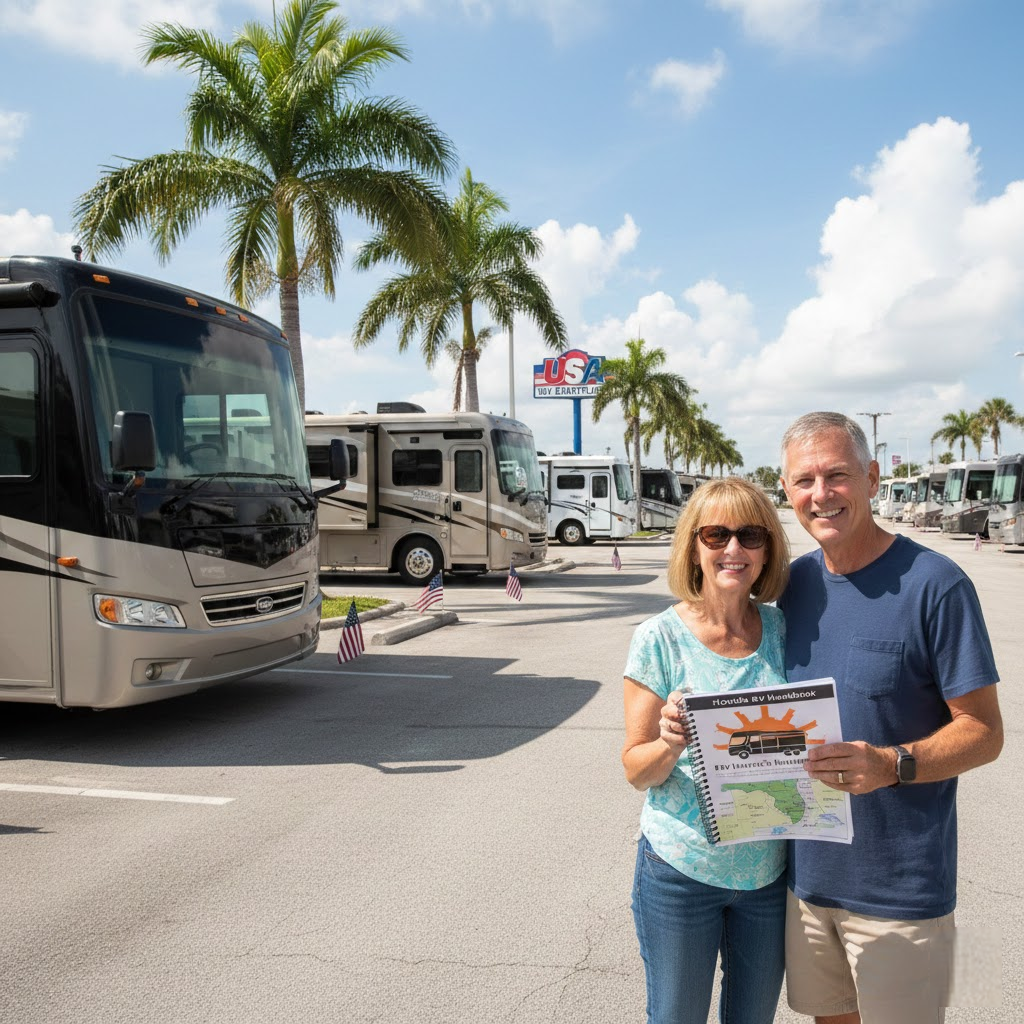
To understand the market for motor homes for sale in Florida, you have to understand the migration patterns. Every winter, hundreds of thousands of RVers descend upon the peninsula to escape the northern freeze. This creates a massive seasonal fluctuation in inventory.
When spring hits and the weather starts to warm up up north, many of these seasonal residents face a choice: drive the rig back home, or sell it right here in Florida. This phenomenon creates a “buyer’s market” sweet spot, typically in the late spring and early summer. The market becomes flooded with gently used inventory—often high-end models that have been lived in for only three or four months out of the year.
Furthermore, Florida is home to the “I-4 Corridor” of RV dealerships. Located primarily around Tampa and Orlando, this stretch of highway hosts some of the largest RV dealerships on the planet. The competition here is fierce. Dealers are often sitting on massive lots of inventory that they need to move, which can translate to leverage for the savvy buyer who knows how to negotiate.
Deciphering the Classes: What Fits Your Florida Lifestyle?
Before you start browsing listings for motor homes for sale in Florida, you need clarity on what class suits your travel goals. The Florida landscape—flat, accessible, but occasionally crowded—accomodates all types, but your experience will vary heavily depending on your rig.
Class A: The Kings of the Road
These are the bus-style motorhomes. In Florida, Class A rigs are ubiquitous. If you plan on staying at high-end resorts like Disney’s Fort Wilderness or the luxury parks in Naples, a Class A allows you to blend right in. They offer the most storage, the biggest tanks, and the most residential feel.
- The Gas vs. Diesel Debate: In Florida, the terrain is flat. You don’t need the massive torque of a diesel pusher to climb mountains here. However, if you plan to leave the state and head to the Rockies, or if you are towing a heavy vehicle, diesel is king. Gas models (often on a Ford F-53 chassis) are significantly cheaper upfront and are very common in the used Florida market.
- The Florida Factor: Big windshields are great for views, but in Florida, they turn your RV into a greenhouse. When shopping Class A’s here, check the air conditioning capacity. You want at least two, preferably three, high-output AC units to combat the July humidity.
Class B: The Van Life Revolution
Class B motorhomes (camper vans) are exploding in popularity. They are built on chassis like the Mercedes Sprinter, Ram ProMaster, or Ford Transit.
- Why choose Class B in FL? Beach access. Many of Florida’s best beaches have parking lots that are inaccessible to 40-foot buses. A Class B fits in a standard parking spot, meaning you can park right next to the sand at Daytona or Cocoa Beach without a hassle.
- The Market Reality: These are currently the most expensive per square foot. Because they are trendy, used prices in Florida remain high. However, look for “niche” conversions done by smaller Florida outfitters, which can sometimes offer better value than the big national brands.
Class C: The Family Favorite
Recognizable by the over-cab bunk, Class Cs offer a middle ground. They are easier to drive than a Class A but roomier than a Class B.
- The Rental Return: Florida has a huge rental market (think Cruise America). Many of these units are sold off as “former rentals” after a few years. While the price point is tempting—often tens of thousands less than a private party sale—be wary. These units have high mileage and have been driven by inexperienced drivers. Always check the maintenance records meticulously if you go this route.
The “Florida Factor”: Specific Things to Watch For
Searching for motor homes for sale in Florida comes with a specific warning label: Environmental Exposure. The very things that make Florida wonderful—sun, salt, and water—are the enemies of an RV.
1. Delamination is the Enemy
Florida is humid. If a motorhome has a tiny leak in the roof or a window seal, the humidity will wick that moisture into the walls. This causes “delamination,” where the fiberglass outer skin separates from the substrate, causing bubbles or ripples. When you are walking a lot in Tampa or Fort Myers, look down the side of the rig in the sunlight. If the wall looks wavy, walk away. Repairing delamination is incredibly expensive and often exceeds the value of the rig.
2. Sun Damage
The UV index in Florida is intense. It eats vinyl decals for breakfast. A used RV that has spent five years uncovered in a Florida storage lot will often have cracked, peeling graphics and oxidized fiberglass (looking chalky white). While oxidation can sometimes be buffed out, it’s a sign the unit hasn’t been garaged. More critically, check the tires. Tires in Florida rot from the outside in due to UV exposure and heat, long before the tread wears out. If the tires are more than 5-6 years old, negotiate a new set into the price.
3. The Salt Air Effect
If you are looking at rigs near the coast (places like Jacksonville, Miami, or the Panhandle), you need to check the undercarriage. Salt spray accelerates rust on the chassis, suspension, and generator components. Surface rust is common, but deep flaking rust on the frame rails is a dealbreaker. Ask the seller where the unit was stored.
New vs. Used: Navigating the Dealerships
The debate between buying new or used is eternal, but in Florida, the dynamics are specific.
Buying New
If you are buying new, you are likely heading to one of the mega-dealers. The advantage here is the warranty and the “shiny” factor. However, the RV industry has struggled with quality control in recent years. A new rig often goes straight from the factory to the dealer to the service bay for months of warranty work.
Pro Tip for New Buyers: Do not sign the final paperwork until you have done a “Pre-Delivery Inspection” (PDI) yourself, or with an inspector. Do not accept the dealer’s promise to “fix that later.” Once you drive off the lot, your leverage evaporates, and service center wait times in Florida can be 3 to 6 months long during the busy winter season.
Buying Used
This is where the Florida market shines. Because so many retirees age out of the lifestyle, you can find 10-year-old diesel pushers with barely 30,000 miles on them. These units have already taken the massive depreciation hit (often 30-40% in the first few years) and the previous owner has likely worked out all the initial bugs.
When searching specifically for used motor homes for sale in Florida, look for “Garage Kept” in the listing. A rig stored in a fully enclosed garage in Florida is worth significantly more than one stored outside, simply due to the protection from the harsh sun and storms.
The Inspection: Your Non-Negotiable Step
I cannot stress this enough: Hire a certified RV inspector.
You wouldn’t buy a house without an inspection, and a motorhome is essentially a rolling house shaking through an earthquake every time it drives down the highway. In Florida, there are many NRVIA (National Recreational Vehicle Inspectors Association) certified inspectors.
They will check things you won’t see:
— Propane leaks.
— The age and health of the roof sealant.
— The actual draw of the air conditioners (crucial in FL heat).
— Oil and coolant analysis for the engine and generator.
Expect to pay between $500 and $1,200 for a thorough inspection depending on the rig size. It is the best insurance policy you will ever buy. If a seller refuses an independent inspection, that is a massive red flag. Walk away.
Financing and Insurance in the Sunshine State
Financing
RV loans are considered “recreational” loans, which often require higher credit scores than auto loans. However, because the purchase price can be high, many lenders offer terms up to 20 years, making monthly payments manageable. If you are buying from a Florida dealer, they will have relationships with major banks. If buying private party, look into credit unions or specialized RV lenders like Good Sam or Essex Credit.
Insurance
Florida insurance rates are rising across the board, and RVs are no exception. You must account for hurricane risk. If you are financing, the lender will require full coverage.
Crucial Note: If you are a full-timer (you don’t have a sticks-and-bricks house), you need “Full-Timer’s Insurance.” Standard RV policies often exclude liability coverage if the RV is your primary residence. Be honest with your broker; a denied claim is a nightmare you don’t want.
Where to Look: The Geography of the Deal
While you can find listings everywhere, certain hubs in Florida yield better results for specific types of buyers.
1. The I-4 Corridor (Tampa / Orlando)
This is volume central. If you want to see 500 rigs in one day, go here. The competition keeps prices relatively transparent, but the sales tactics can be high-pressure.
2. The Villages / Ocala
Located north of Orlando, this area has a massive retirement population. This is a goldmine for immaculate, used Class A and Class C motorhomes being sold by seniors who are downsizing. The “For Sale by Owner” market here is excellent.
3. Fort Myers / Naples
This is the luxury sector. If you are looking for a million-dollar Prevost or a high-end Newmar, the dealers and private sellers in Southwest Florida cater to the luxury market.
Living the Life: You Bought It, Now What?
Once you’ve navigated the maze of motor homes for sale in Florida and hold the keys, the state opens up to you in a new way. You are no longer just a tourist; you are part of the tribe.
Join the Clubs:
Immediately join organizations like Harvest Hosts or Boondockers Welcome. Florida has incredible wineries, breweries, and farms that allow members to park overnight for free. It’s a fantastic way to see the “real” Florida away from the crowded campgrounds.
State Parks are Gems:
Florida State Parks are arguably the best in the nation. Places like Bahia Honda State Park in the Keys or Topsail Hill Preserve in the Panhandle offer oceanfront RV camping at a fraction of the cost of private resorts. However, booking windows open 11 months in advance and sell out in seconds. You have to be quick.
Discounts and Memberships:
Since we are talking about saving money, keep an eye out for membership value. While promo codes for purchasing RVs are rare, the aftermarket is full of them.
— Good Sam Club: Offers fuel discounts at Pilot/Flying J and camping discounts.
— Passport America: Essential for Florida travel in the “off-season” (summer), offering 50% off campsites.
— Escapees RV Club: Great for support on domicile issues and mail forwarding services if you decide to go full-time.
The Final Verdict
Searching for motor homes for sale in Florida is an adventure in itself. It’s a treasure hunt across a peninsula packed with hidden gems and potential pitfalls. The inventory is unmatched, the dealer network is robust, and the used market is constantly refreshed by the seasonal migration of snowbirds.
Success comes down to patience and due diligence. Don’t let the shine of a freshly detailed rig blind you to the water damage in the ceiling. Don’t let a smooth-talking salesperson rush you through the financing office. Take your time. Inspect everything. Drive it on the highway, not just the parking lot.
When you finally find that perfect rig—whether it’s a vintage Airstream camper van or a rolling palace with heated floors—you’ll understand why everyone flocks here. There is nothing quite like pointing your windshield toward the Florida Keys, coffee in hand, knowing your home is rolling right along with you. The road is open. Happy hunting.


